
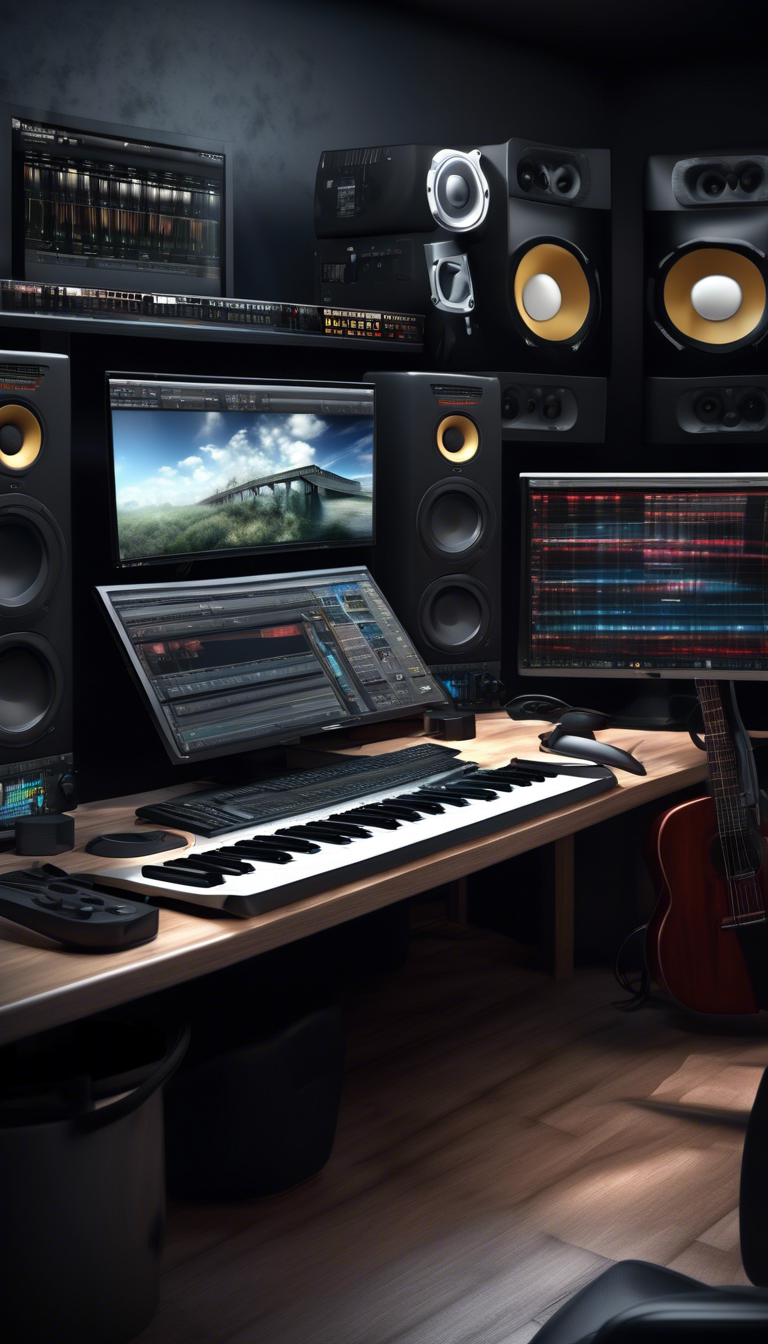
The Evolution and Impact of Digital Audio Workstations on Music Production
The landscape of music production has transformed dramatically over the past few decades, largely due to the advent of digital audio workstations (DAWs). These powerful software applications have revolutionized how music is created, recorded, edited, and produced. From the early days of music production to today’s sophisticated setup, DAWs have come to define the modern soundscapes we enjoy.
To learn how Digital Marketing can boost your career as a musician set up an appointment here: https://www.ParhamA-Marketing.com
The Early Days of Music Production
Before the digital age, artists relied heavily on analog equipment, which required extensive physical space and resources. Recording studios were often expansive, filled with mixing consoles, reel-to-reel tape machines, and various instruments. While this setup was critical for producing high-quality music, it created challenges regarding accessibility and costs. A few key issues were prevalent:
- High financial barriers for entry-level musicians.
- Time constraints associated with scheduling studio time.
- Limited opportunities for experimentation due to equipment availability.
The Dawn of Digital Workstations
With the introduction of DAWs in the late 1980s and early 1990s, the music industry began to shift toward more accessible production methods. Early DAWs like Pro Tools allowed users to record and edit audio on their computers, freeing musicians from reliance on expensive studio time. The key features of these early systems included:
- Multitrack recording capabilities.
- Basic editing tools like cut, copy, and paste.
- Support for MIDI (Musical Instrument Digital Interface), allowing users to control hardware synthesizers.
Technological Advancements
As technology improved, so did the capabilities of digital audio workstations. By the early 2000s, DAWs had become more user-friendly and powerful. New features emerged, allowing artists to push creative boundaries. Some notable advancements include:
- Integrated virtual instruments and MIDI manipulation.
- Real-time effects processing.
- Collaboration tools that enable remote working among artists.
The Impact of DAWs on Music Creation
The impact of digital audio workstations on music production cannot be overstated. DAWs have democratized the process, allowing musicians from all walks of life to create high-quality music in their own homes. This accessibility has led to several important changes in the industry:
- A surge in independent artists producing and releasing their music.
- Increased diversity in musical styles and genres as more voices enter the marketplace.
- The blurring of lines between professional and amateur production.
The Role of Online Resources
In addition to DAWs, the internet has played a significant role in transforming music production. Online tutorials, forums, and social media platforms provide invaluable resources for aspiring musicians. They can share tips, collaborate, and access a wealth of information previously unavailable to them. This shift to online learning fosters a culture of innovation where artists can hone their skills and experiment with new techniques.
Challenges in the Modern Era
While digital audio workstations have made music production more accessible, this democratization comes with its own challenges. As the number of self-produced tracks increases, artists can struggle with:
- Standing out in a saturated market.
- Understanding the technical aspects of mixing and mastering.
- Marketing themselves effectively without the backing of a label.
The Future of Digital Audio Workstations
Looking ahead, digital audio workstations will continue to evolve, fueled by ongoing technological advancements. Artificial intelligence is beginning to play a role in music production, helping with tasks such as sound selection and arrangement. Moreover, cloud-based DAWs are emerging, offering musicians the ability to collaborate globally in real-time.
As these digital tools become even more sophisticated and accessible, the future of music production holds exciting possibilities. DAWs have indeed changed the way we approach music, establishing a new era where creativity knows no bounds.
Key Features to Look for in a Digital Audio Workstation for Beginners
Choosing the right digital audio workstation (DAW) can be a daunting task, especially for beginners. With an overwhelming number of options available, it’s essential to know what features to prioritize. Here’s a guide to help you navigate the crucial attributes to look for in a DAW that meets your needs and boosts your creativity.
User-Friendly Interface
For newcomers, a clean and intuitive interface is key. A DAW that features drag-and-drop functionality will make your experience smoother. Look for one that provides visual feedback, helping you understand your audio better. If you can navigate the software without feeling overwhelmed, you’re more likely to stick with it as you learn.
Multitrack Recording
Being able to record multiple audio tracks simultaneously is a vital feature. This allows you to layer different sounds and instruments, providing a more dynamic audio experience. Make sure the DAW supports multitrack recording and can handle the complexity of your projects as you grow.
Built-in Effects and Plugins
A great DAW should come loaded with a variety of built-in effects and virtual instruments. Effects like reverb, compression, and equalization are essential for shaping your sound. Additionally, a selection of virtual instruments can inspire creativity and help you explore different genres right from the start. Always check for compatibility with third-party plugins, too, so you can expand your toolkit later on.
MIDI Support
As a beginner, you’ll likely want to work with MIDI. A DAW that offers robust MIDI capabilities allows you to create melodies, harmonies, and beats easily. Look for features like MIDI editing tools, arpeggiators, and the ability to control hardware synths. This versatility will enable you to explore different styles and develop your musical skills.
Audio Editing Capabilities
Easy-to-use audio editing tools can save you significant time and frustration. Look for features such as:
- Cut, copy, and paste functions: Essential for arranging your audio efficiently.
- Automation: This allows for dynamic changes in volume and effects over time, making your tracks sound polished.
- Time-stretching and pitch-shifting: These features help ensure your audio fits perfectly within your project.
Compatibility with Hardware
Your chosen DAW should effectively integrate with various hardware setups, from audio interfaces to MIDI controllers. This means not only ensuring the DAW supports the devices you own but also being flexible enough to adapt as your setup grows. Having a seamless connection allows you to focus on making music rather than troubleshooting technical issues.
Support and Community Resources
Having access to a community forum or an extensive resource library can make a world of difference. As a beginner, you’ll have questions and encounter challenges. A DAW with a solid support system, including tutorials, user forums, and video guides, will help you overcome obstacles and fully harness the system’s potential. Check reviews and user feedback for insights into the community surrounding a DAW.
Price and Value
Consider your budget. Many DAWs offer tiered pricing, which allows beginners to start with a basic version and upgrade later as they gain experience. Make sure the DAW you choose provides excellent value for the features it offers. Sometimes free DAWs can be a good starting point, but assess whether they have all the necessary functionalities to help you grow.
When choosing a digital audio workstation, focus on user-friendliness, multitrack recording capabilities, built-in effects, MIDI support, audio editing features, compatibility with your hardware, community resources, and overall value. By keeping these key features in mind, you’ll set yourself up for success in your audio production journey.
Conclusion
The evolution of Digital Audio Workstations (DAWs) has significantly reshaped the music production landscape, making it more accessible and versatile than ever before. From their humble beginnings as simple recording tools to the powerful, feature-rich software we use today, DAWs have revolutionized how artists and producers create, edit, and distribute music. They have democratized the music-making process, allowing aspiring musicians to produce high-quality tracks from the comfort of their own homes. As technology continues to advance, we can only expect DAWs to further enhance the creativity and innovation within the industry.
When selecting a DAW, especially for beginners, certain features can greatly impact the user experience and overall productivity. It’s essential to find software that aligns with new users’ skill levels and musical goals. An intuitive interface, for instance, allows beginners to familiarize themselves with the platform without feeling overwhelmed. DAWs like GarageBand and Ableton Live Lite offer streamlined designs and clear navigation, making them perfect for those just starting their music journey.
Furthermore, having a robust looping and sampling functionality can inspire creativity in new producers. This feature permits users to experiment with different musical ideas quickly, fostering a playful exploration of sound that can lead to the discovery of unique compositions. Also, built-in virtual instruments and effects can help beginners easily craft sounds without needing an extensive library of external plugins. Software that includes a range of samples, synths, and effects ensures that users can produce polished tracks with minimal effort.
Collaboration capabilities are increasingly vital for artists in today’s interconnected world. Some DAWs allow multiple users to work on the same project from different locations. This feature breaks down geographical barriers, fostering teamwork and enhancing creative output. When beginners can invite friends, mentors, or fellow artists to collaborate, they not only gain valuable feedback but also expand their musical horizons. Choosing a DAW with robust collaboration tools can be a game-changer for those just starting, providing a collaborative environment that can enhance learning and creativity.
Stability and reliability are paramount in any digital audio workstation. Beginners can feel disheartened if their chosen DAW crashes or exhibits latency issues during a crucial recording session. Therefore, it’s wise to read user reviews and conduct thorough research before settling on a platform. Those who prioritize a straightforward installation process and consistent performance are more likely to remain engaged and motivated to continue their music production journey.
Support resources—like tutorials, community forums, and customer service—are critical features that aid beginners in learning the ins and outs of their DAW. Platforms that provide extensive documentation, video tutorials, and responsive support can make a world of difference for newcomers. By seeking out a DAW with a strong community or support system, beginners can quickly resolve issues and learn essential skills that will propel them forward in their music production endeavors.
Even as DAWs continue evolving, the essence of music creation remains rooted in the artist’s vision and ability to express themselves. The key to a successful music career often lies in mastering the tools available to you. With an appropriate digital audio workstation, beginners can harness the power of technology to produce, edit, and share their musical ideas, ultimately allowing them to grow as artists.
The advent of digital audio workstations has not only transformed the music production process but also democratized it for aspiring artists worldwide. As these platforms become increasingly user-friendly and feature-rich, there has never been a better time to dive into music production. With the right DAW, aspiring musicians can unlock their potential, learning and growing within a supportive environment that fosters creativity and collaboration. As they navigate their unique musical journeys, these artists will undoubtedly find that the digital audio workstation serves as an indispensable tool, empowering them to bring their creative visions to life.




Leave a Reply